Roof Replacement Cost in Anchorage & the Mat-Su Valley
What moves the price of a new roof in Southcentral Alaska, how to read a quote line by line, and how to get a real number for yours.
Two roofs with the same footprint can be very different jobs. Pitch, layers, decking, valleys, and the material you choose all move the price, and so do local code, the season, and snow. This guide walks through each one, so you can read any roofer’s estimate, ours included.
For an average-size house with a walkable roof, about 22 to 27 squares (2,200 to 2,700 square feet of roof), a new architectural asphalt roof from us usually runs $15,000 to $20,000, and a metal shingle roof (stone-coated steel) runs $25,000 to $35,000. Our asphalt price works out to about $556 to $909 per square, below the $1,062 per square in the 2025 Cost vs. Value national benchmark for an asphalt roof replacement (a 30-square tear-off with skylights). Where your roof lands depends on the roof itself and the choices you make. We don’t guess over the phone. A free inspection and a written, line-by-line price within 24 hours of it give you the real number.
What moves the price
- Size and pitch. Measured in squares, plus waste.
- Tear-off or re-roof. How many layers come off, if any.
- Decking. Included in our price, never charged per sheet.
- Metal or asphalt. Metal costs more up front and usually outlasts two asphalt roofs.
- Complexity and code. Valleys, dormers, chimneys, skylights, and what local code requires.
- Access and season. Height, steepness, and the weather window.
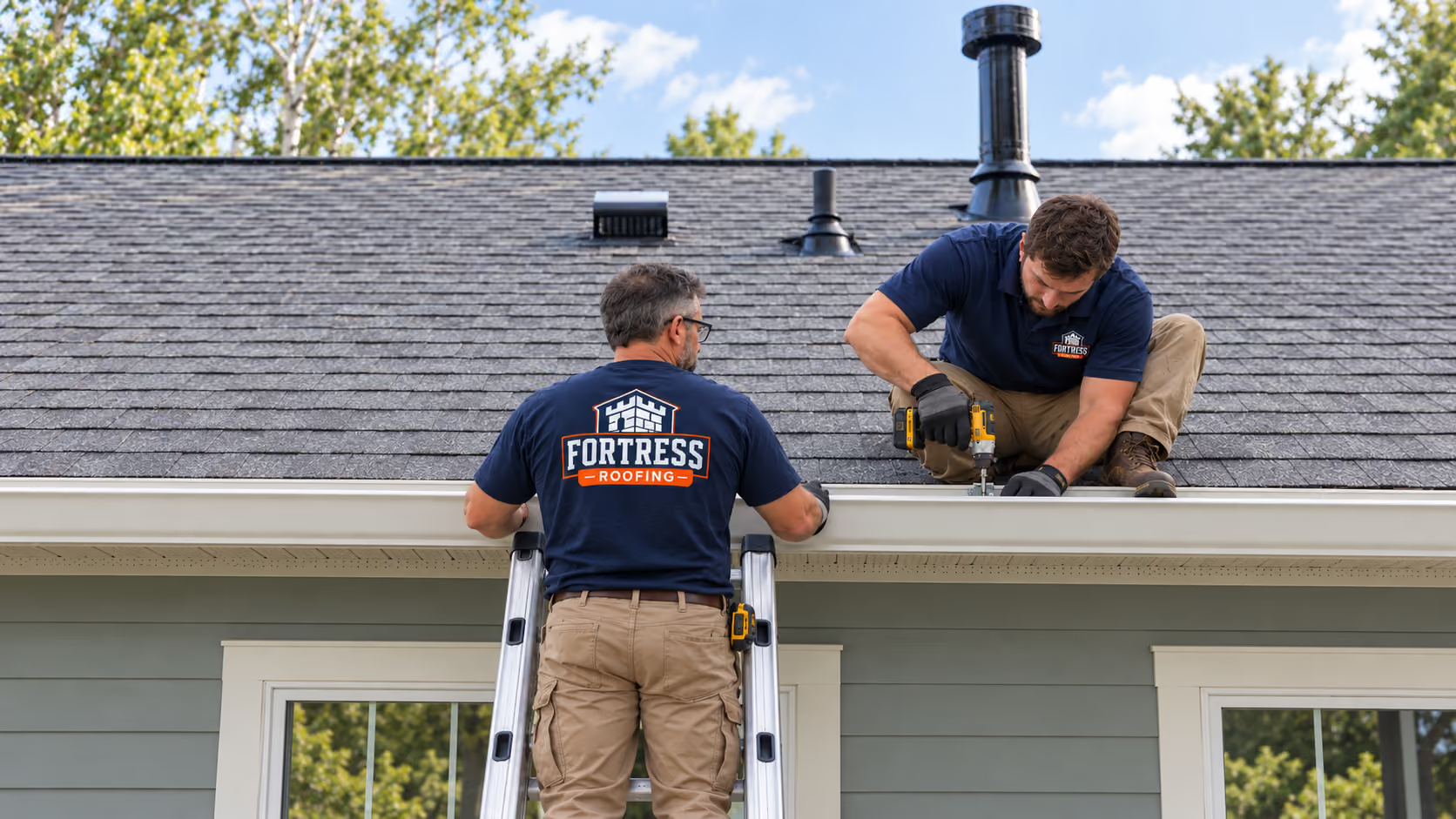
How a roof is measured and priced
Roofers price by the square, which is 100 square feet of roof. Then three things change the count or the labor:
- Pitch. Roof area is the footprint times a slope factor. A 6:12 roof has about 12 percent more surface than its footprint, a 12:12 roof about 41 percent more.
- Waste. Contractors typically add 10 to 15 percent for waste and trim.
- Layers. A good bid counts the layers already on the roof, since removing several adds labor time.
Tear-off or re-roof
A tear-off takes the old roof down to the decking. Every layer that comes off adds labor and disposal.
Tear-off
Required when there are already two or more layers, or the old roof is water-soaked. Also the right call when the roof is failing or the decking needs work.
Re-roof
New roofing over one existing layer, once the decking checks out from the attic. Less labor and less landfill. Code generally allows one roof-over, so the roof after it will usually be a tear-off.
Anchorage uses the model code’s re-roofing rules without changes. The inspection tells us which one your roof needs, and the estimate says why. Roof replacement →
Decking is in the price
Decking is the sheathing the roofing is fastened to, and industry guidance says a deteriorated deck should be repaired or replaced during a replacement. On our jobs, that’s included in the price, with no per-sheet charge, and we photograph every sheet we replace. On a re-roof, we check the decking from the attic first. If it needs work, the job becomes a tear-off.
Asphalt or metal
National cost data puts a metal roof replacement above asphalt shingles. The better spend depends on how long you’ll stay.
Architectural asphalt
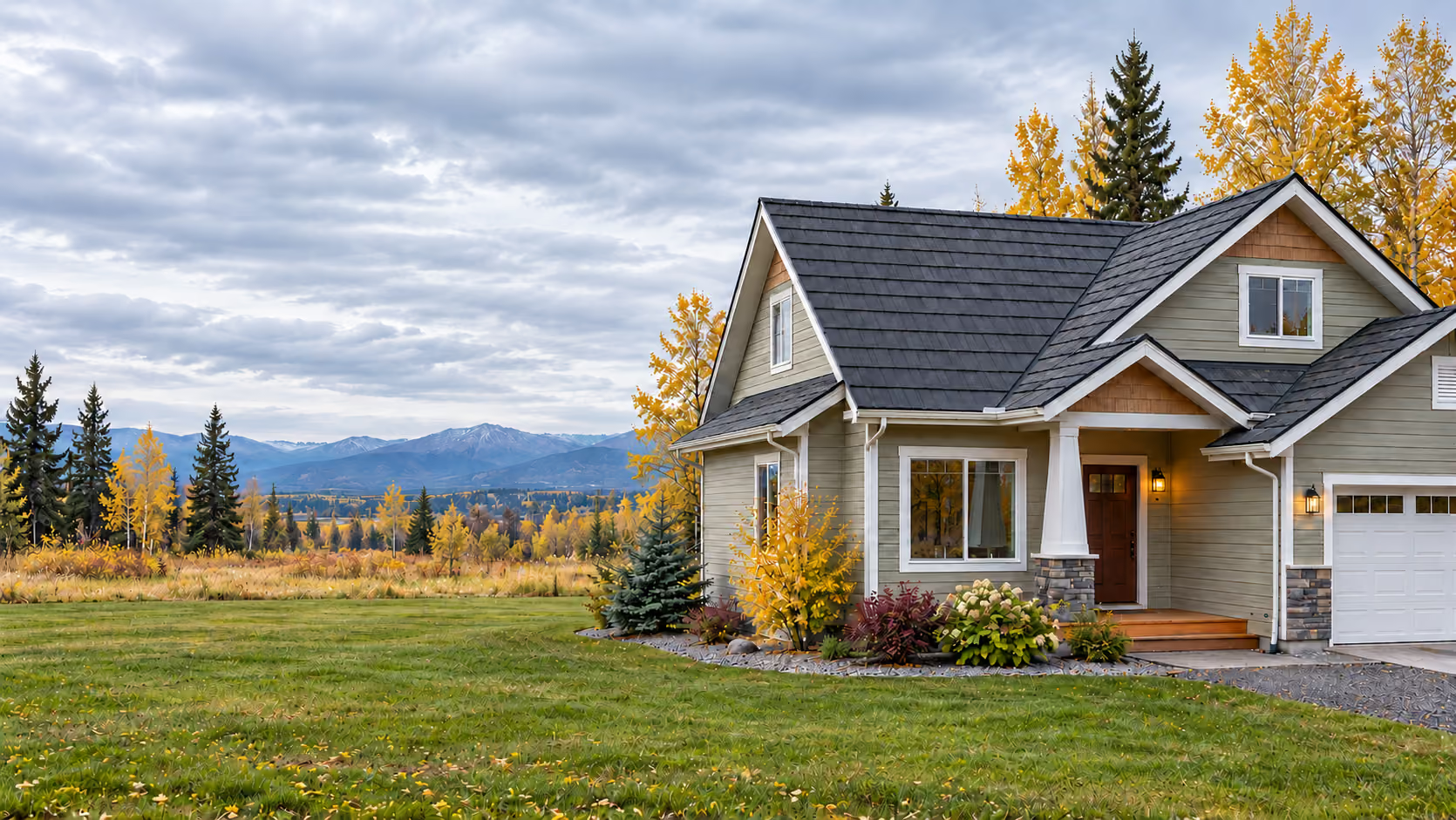
The lower price today, and the right call for a rental, a sale, or a tight budget. Asphalt shingles →
Metal
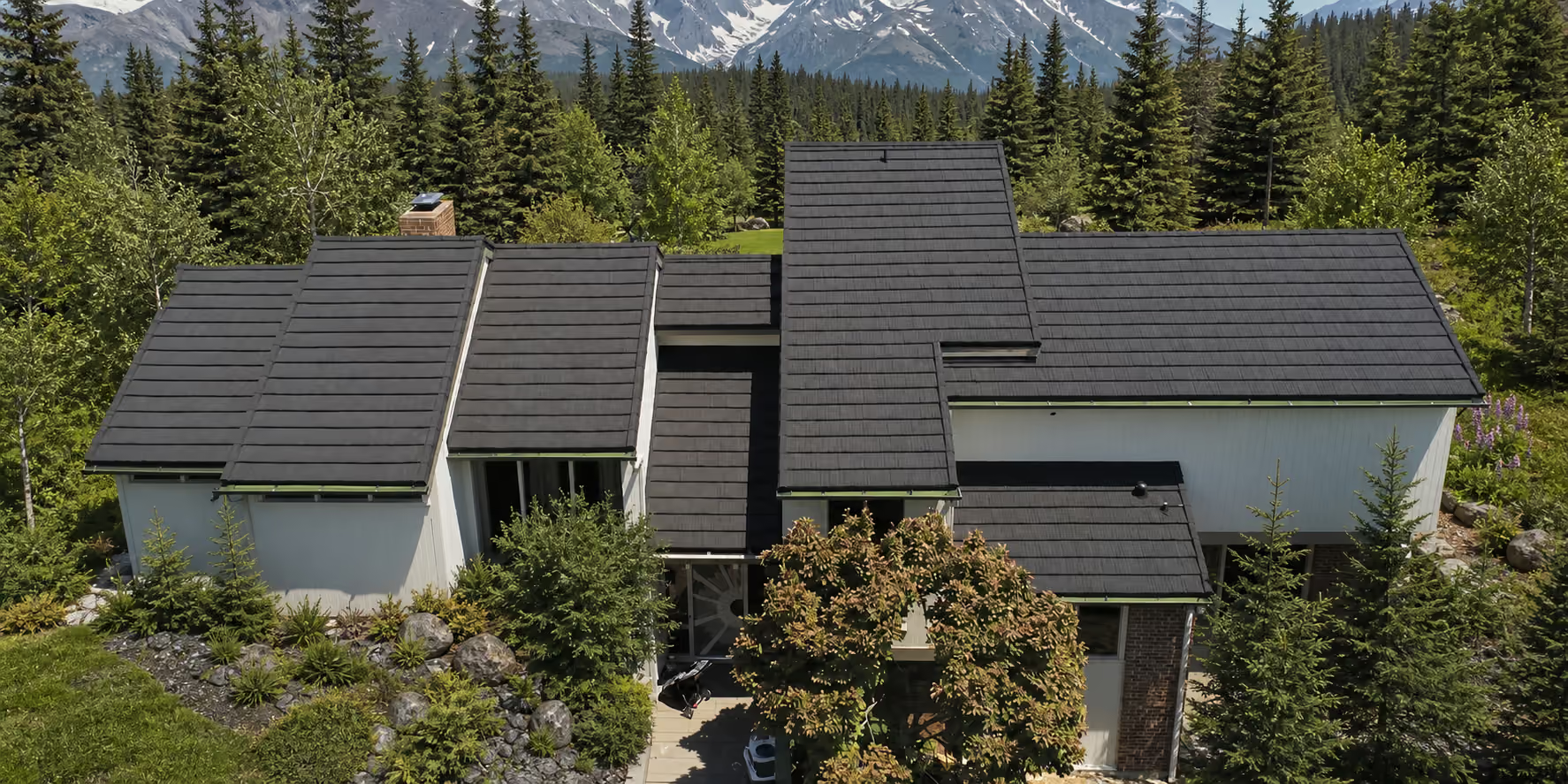
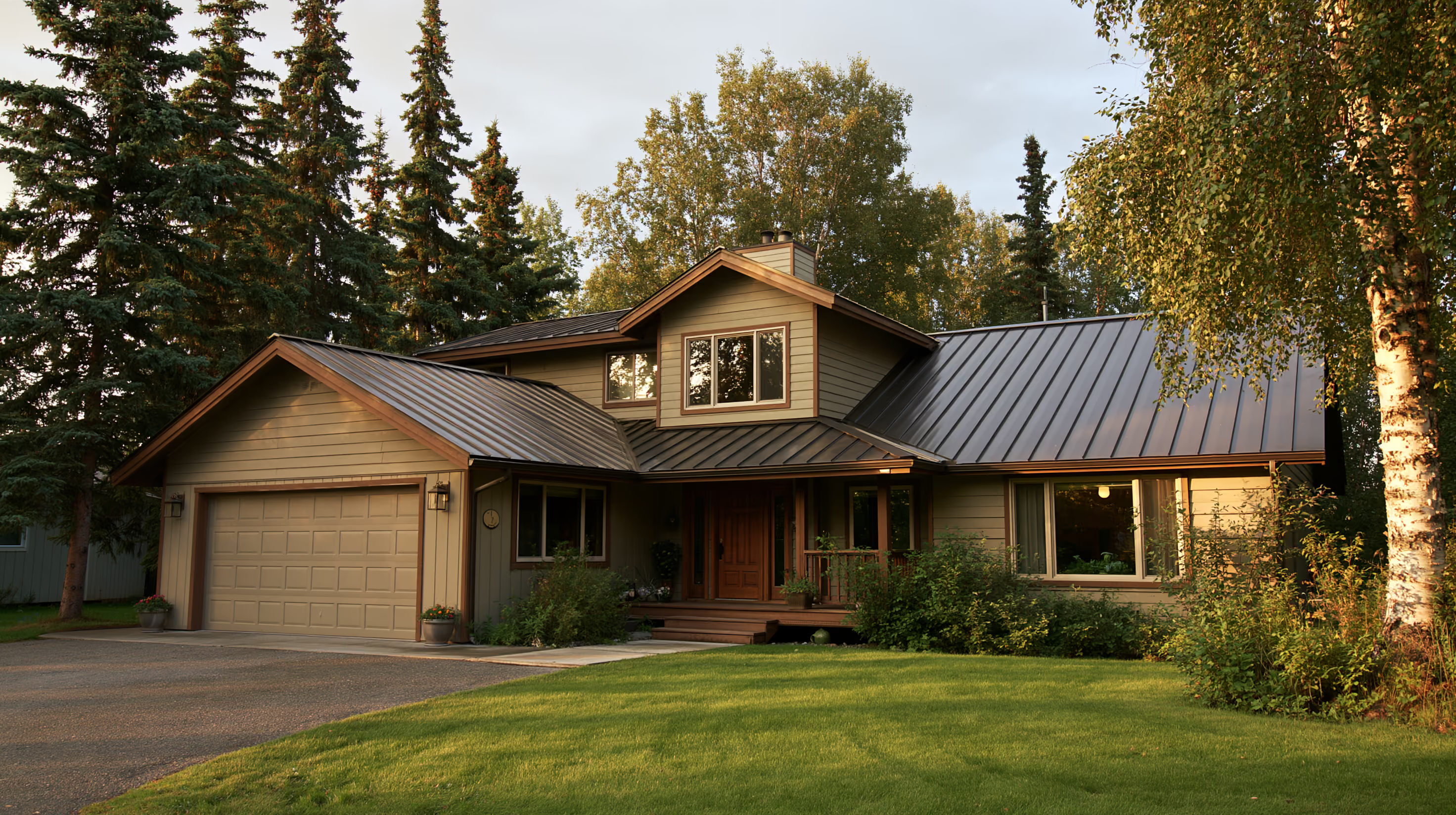
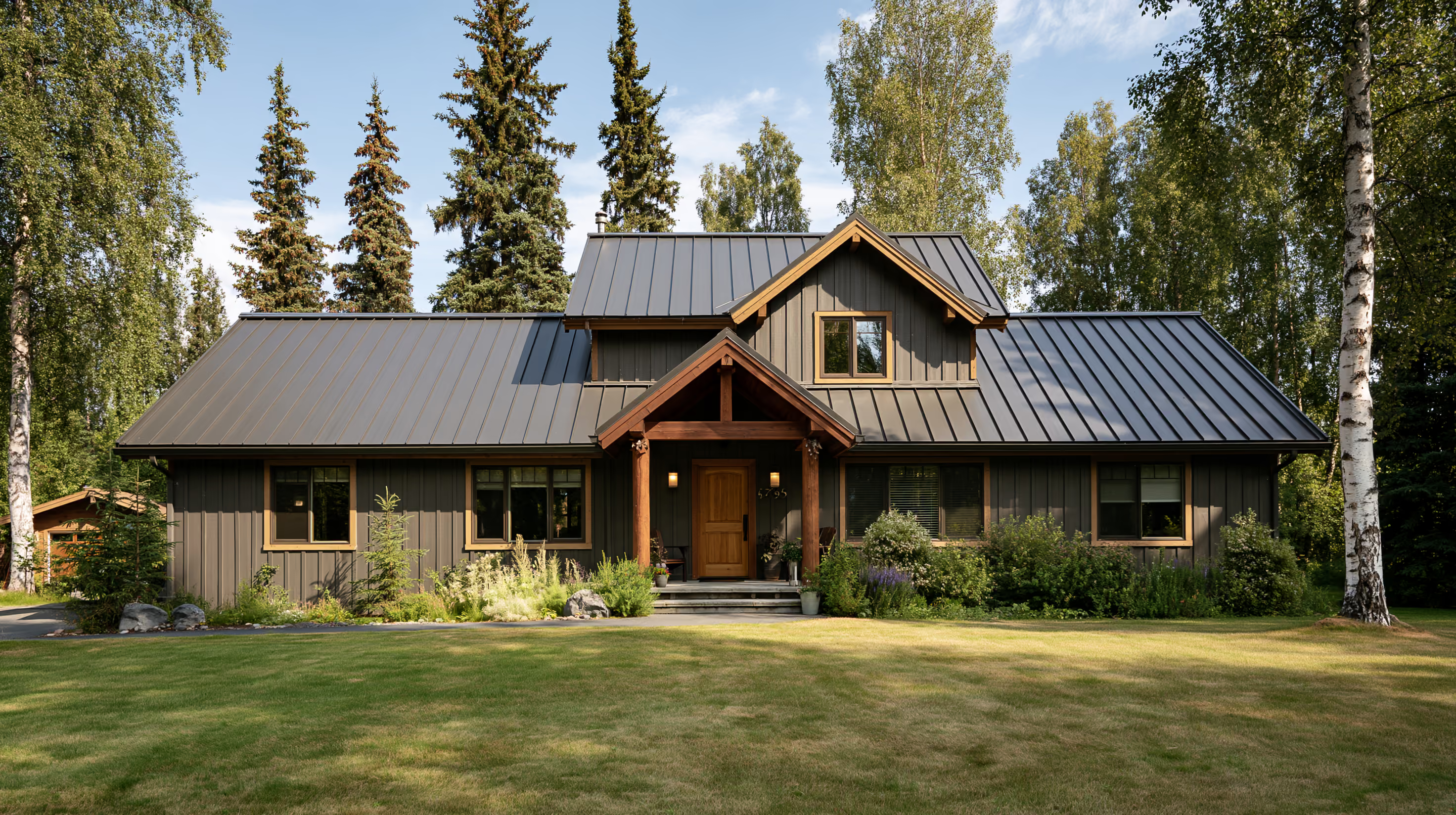
More up front, and it usually outlasts two asphalt roofs. Stone-coated steel or standing seam. If you’re weighing the two, we’ll price both. Metal roofing →
Snow guards are part of a metal roof’s price. Standing seam gets them where slides would land. Stone-coated steel holds snow in place much like a shingle roof and usually lets go in smaller slides, not a whole slope at once, and still gets guards over doors, decks, and walkways.
What makes one roof cost more than another
Shape and detail matter too:
- Valleys. Where two slopes meet and the water runs heaviest.
- Dormers, extra levels, and steep slopes. They add time, safety measures, and skilled labor.
- Chimneys, skylights, and pipes. Each one needs flashing, and chimneys and skylights need extra.
- Flashing. Industry guidance suggests new step flashing and aprons with a new roof, though some regions reuse it. Ours is new at every wall, chimney, and pipe.
Want a real number for your roof?
Text a few photos and a roofer will tell you what we see.
What Anchorage code adds
Anchorage adds its own rules to the model building code. They’re minimums, so a quote that skips them isn’t pricing the same roof:
- Ice barrier. Self-adhering membrane from the eave to at least 36 inches inside the exterior wall line at 4:12 and steeper, and over the whole roof below 4:12.
- Valleys. Membrane lapped 18 inches each side of the centerline, with no penetrations through it.
- Penetrations. At least 6 feet from a valley centerline and 4 feet from the eave wall line, attic vents aside.
- Ventilation. 50 to 75 percent of the required vent area in upper vents, within 3 feet of the ridge.
As one building science paper puts it, membrane ‘does not prevent the ice dam from occurring; it only limits the damage.’ Ventilation cuts down on ice dams, and air sealing and insulation do most of the work. On our estimate, ventilation is its own line: ridge and intake vents sized to the attic. Attic ventilation →
Access, height, and the season
Federal safety rules call a roof steeper than 4:12 steep and require guardrails, nets, or fall arrest at edges 6 feet or more up. A steep two-story roof or a hillside lot means more staging and slower, harnessed work.
Full replacements are scheduled around temperature and snow. Shingles handle most easily above 40°F, and a cold install risks cracking and blow-off before they seal. Repairs, emergency calls, and inspections happen year-round, and a fall inspection can get you a spot in spring.
Alaska makes few building materials and relies on out-of-state suppliers, and state surveys name transport as the main reason material costs rise with distance from Seattle.
Permits
It depends on where you live. Inside Anchorage’s Building Safety Service Area, a tear-off or re-roof needs a permit when the job is worth more than $10,000 in materials and labor, and the fee for a house is set by size, not by the job’s price. Elsewhere in the Municipality, permits are optional. Inside Palmer city limits, a new roof needs one when all the old roofing comes off or new sheathing goes on. Your town’s page has the rest. Service areas →
Insurance claims
If wind, snow load, or a falling tree did the damage, a new roof may be a claim. What it pays depends on the policy:
- Replacement cost pays without deducting depreciation. Any amount held back is paid after you show the roof was replaced, and the window to claim it is usually 6 months to a year.
- Actual cash value pays the depreciated cost. The state’s claims guide says a roof’s useful life is usually about 25 years, so on an older roof it may pay much less.
- Code upgrades may not be covered by a standard policy. Ordinance and Law coverage may.
We photograph the damage, write a scope that matches it, and meet the adjuster on site. You file the claim and it stays yours. We don’t negotiate coverage. That’s a job for an attorney. Be wary of any contractor who offers to handle everything with your insurer. Insurance claims →
How to compare roofing quotes
Get more than one written estimate, and don’t automatically take the lowest. Make sure each one covers the same work, with materials and labor line by line:
- Layers. Tear-off or re-roof, and how many layers come off.
- Decking. Included, or charged per sheet, and if so, how many sheets.
- Membrane. Where it goes, and how far in from the eave.
- Flashing. New or reused.
- Ventilation. Intake and exhaust, sized to the attic.
- Cleanup and disposal. Who hauls the old roof away, and whether there’s a magnetic sweep.
Get the work, materials, start and completion dates, total cost, and payment schedule in writing, along with any warranty. Check the license and its type in the state’s Professional License Search, since ‘licensed and insured’ can mean only a business license and liability insurance. Ask for certificates of liability insurance, and of workers’ compensation if the roofer has employees. Our license is AK #260001. How to check a roofer’s license →
Red flags: door-to-door pitches, full payment up front, cash only, pressure to decide, or a contractor who asks you to pull the permit.
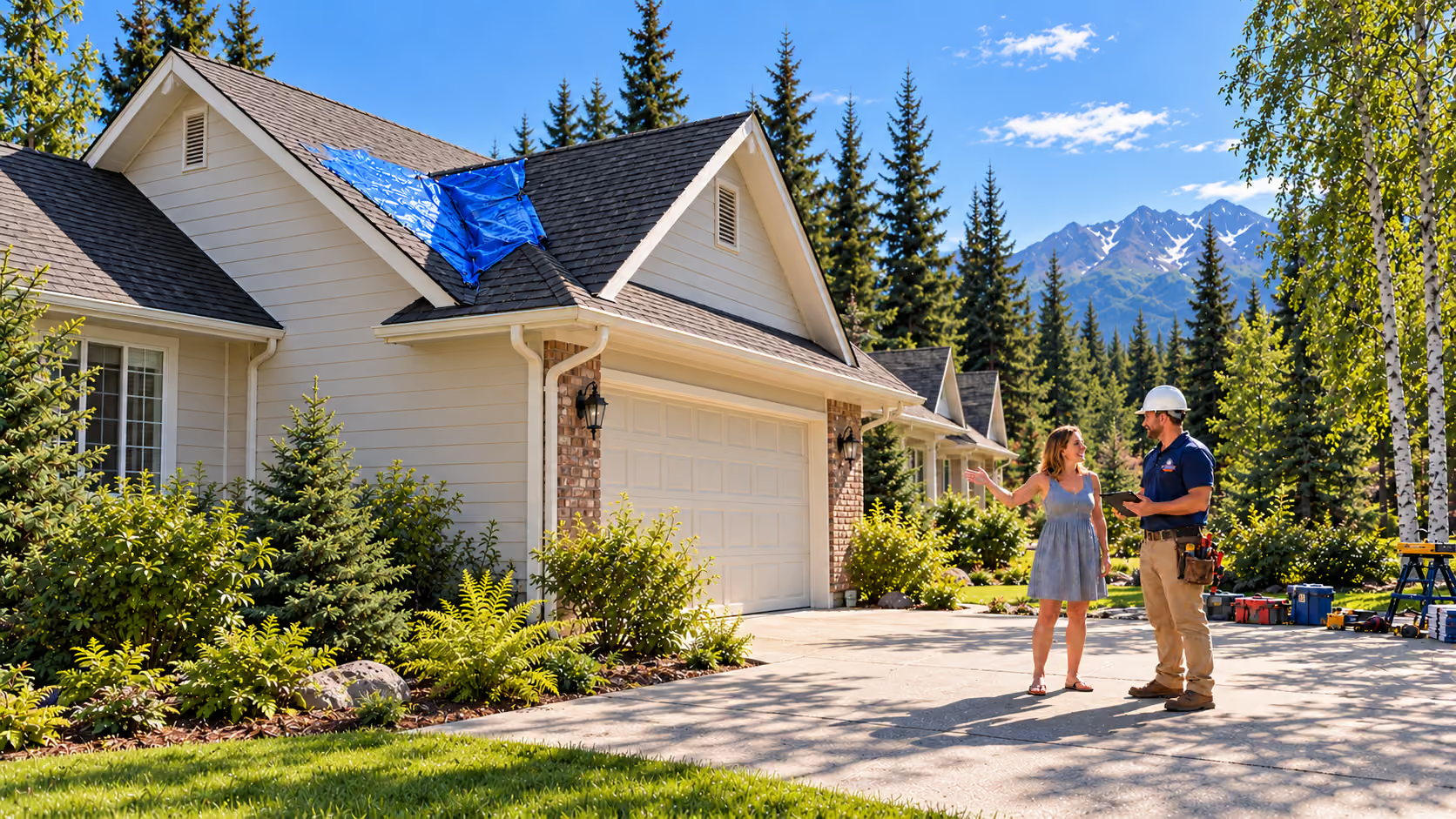
What our estimate shows
Within 24 hours of the free inspection, you get a photo report and a written price with each part on its own line: tear-off or re-roof prep, decking, membrane and underlayment, flashing, ventilation, roofing, snow guards on metal, and cleanup with a magnetic sweep. Roof inspections →
Seamless gutters are free with any full roof replacement. Ask for the details when you book, and ask about financing on full replacements. Gutters →
Every job starts with a free inspection.
Photo report and a written price within 24 hours, and no pressure after it.
Roof cost questions
The questions we get most about what a new roof costs. Don’t see yours? Text us and a roofer answers.
Text my rooferIt depends on the roof: its size and pitch, how many layers come off, the decking, the material, the valleys, dormers, and penetrations, access, and what code requires. We don’t guess over the phone. A free inspection gets you a photo report and a written, line-by-line price within 24 hours, and that’s your real number.
If you plan to stay, usually. Metal costs more up front and usually outlasts two asphalt roofs, so over the long run you buy one roof instead of two. If you’re selling soon, or it’s a rental, architectural asphalt is often the smarter spend. We install both and can price both on your roof.
It may, if wind, snow load, or a falling tree did the damage. Replacement cost pays without deducting depreciation. Actual cash value pays the depreciated cost, which on an older roof may be much less. We photograph the damage, write a scope that matches it, and meet your adjuster. You file the claim, and it stays yours.
Usually, when it’s allowed. A re-roof over one sound layer skips the tear-off labor and disposal. Code bars a re-roof over two or more layers or a water-soaked roof, and generally allows one roof-over, so the next roof will usually be a tear-off. Decking that needs work also means a tear-off.
Not with us. Decking replacement is included in the price, never charged per sheet, and we photograph every sheet we replace. On a re-roof, we check the decking from the attic first. If it needs work, the job becomes a tear-off, priced in writing before we start.
Because two quotes can describe two different jobs. One may be a re-roof and the other a tear-off. One may charge decking by the sheet, leave membrane out of the valleys, or reuse old flashing. Line them up item by item, check each roofer’s license, and don’t automatically take the lowest bid.
Let’s get a real number on your roof
Text a photo or book an inspection. You get a photo report and a written price within 24 hours of the inspection, and no pressure after it.