Asphalt Shingle Roofing in Anchorage & the Mat-Su Valley
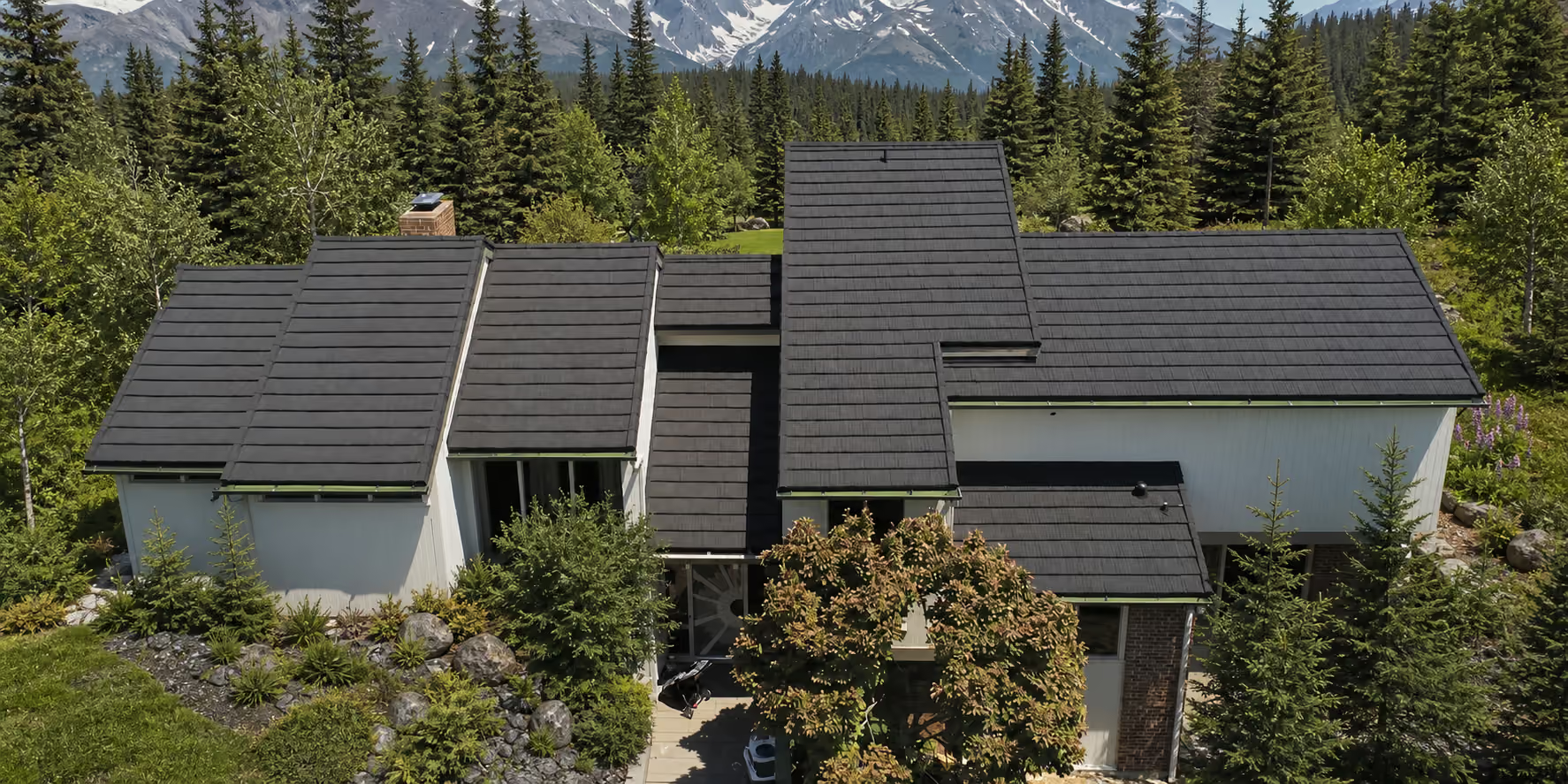
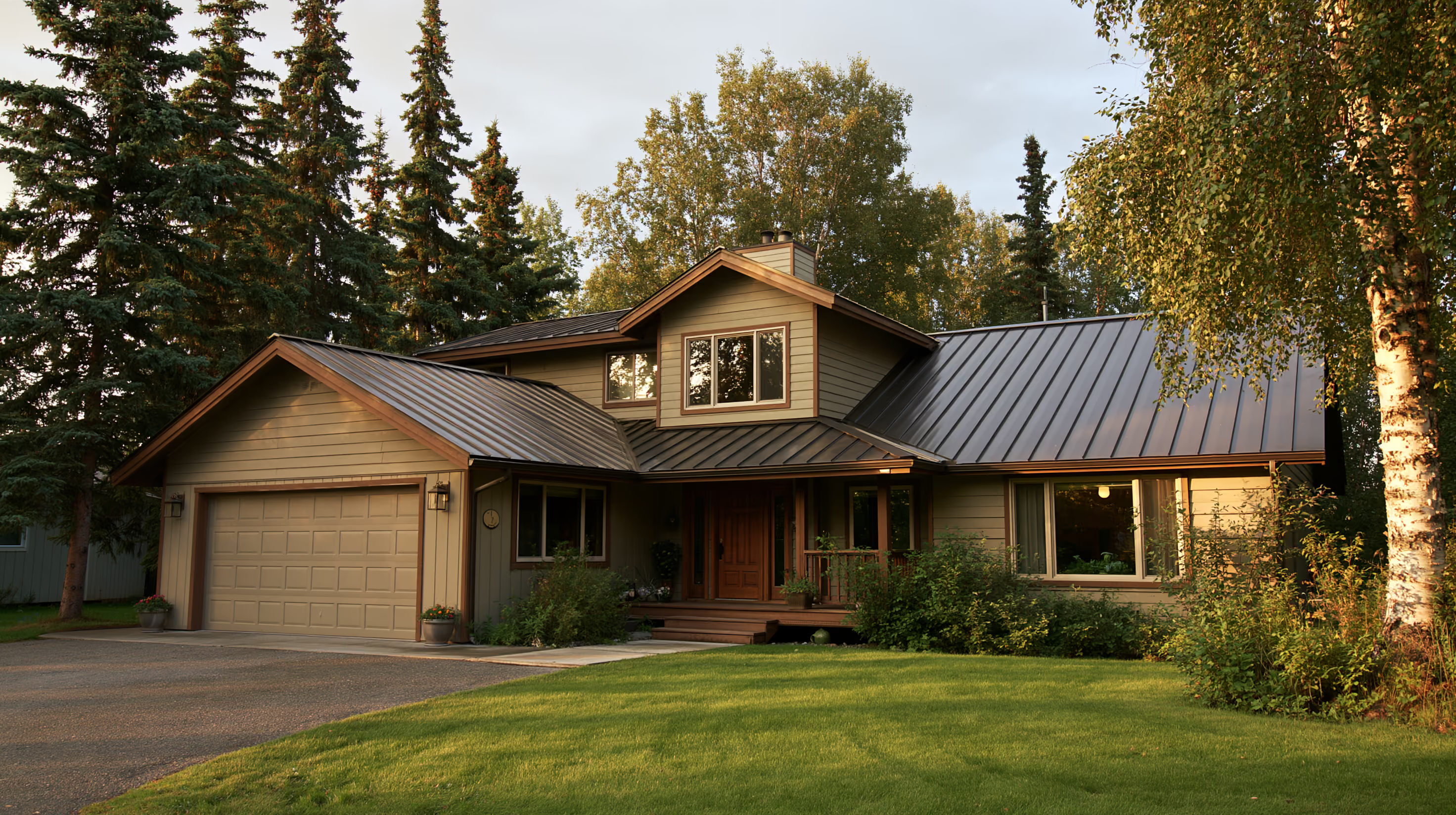
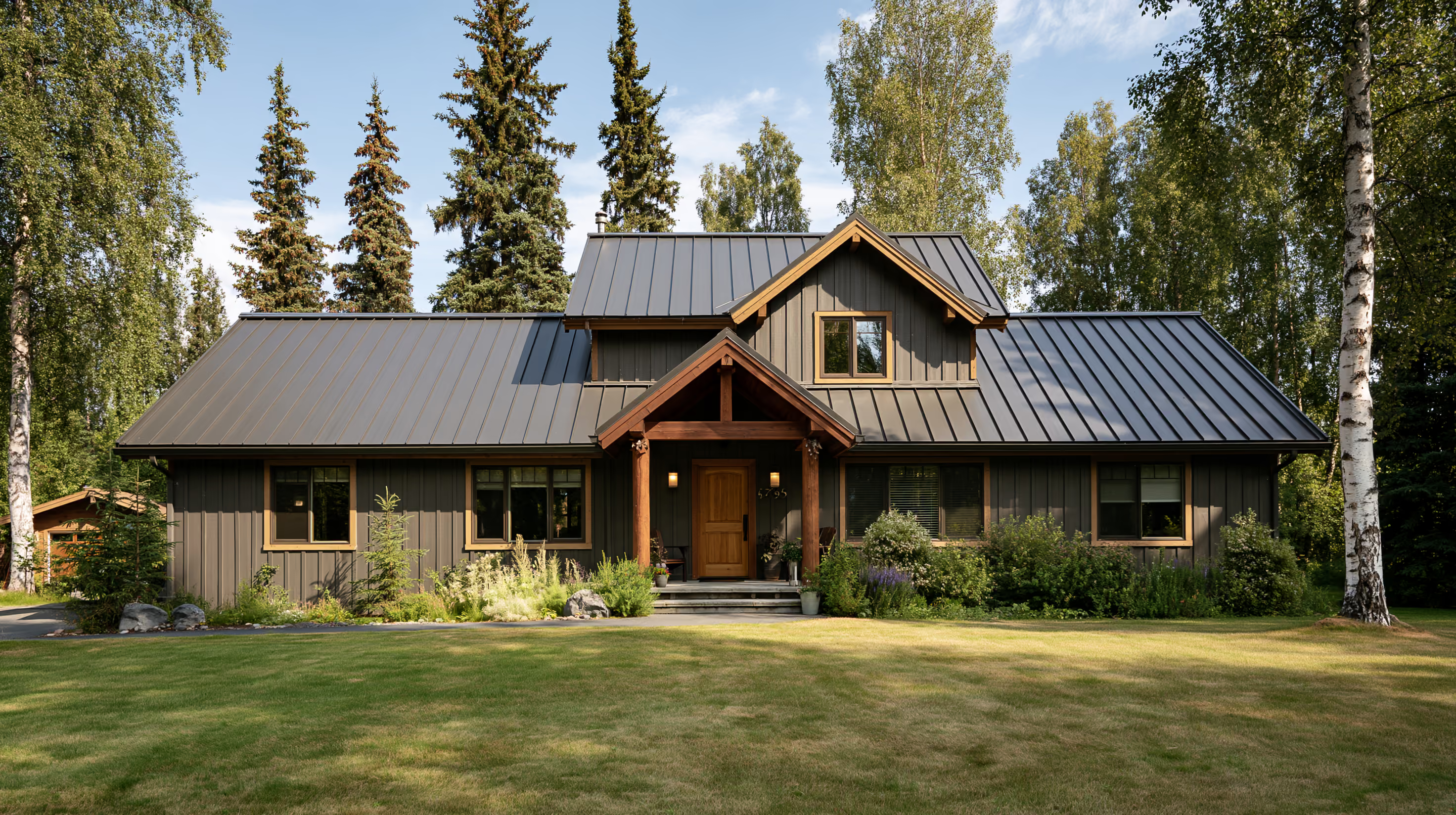
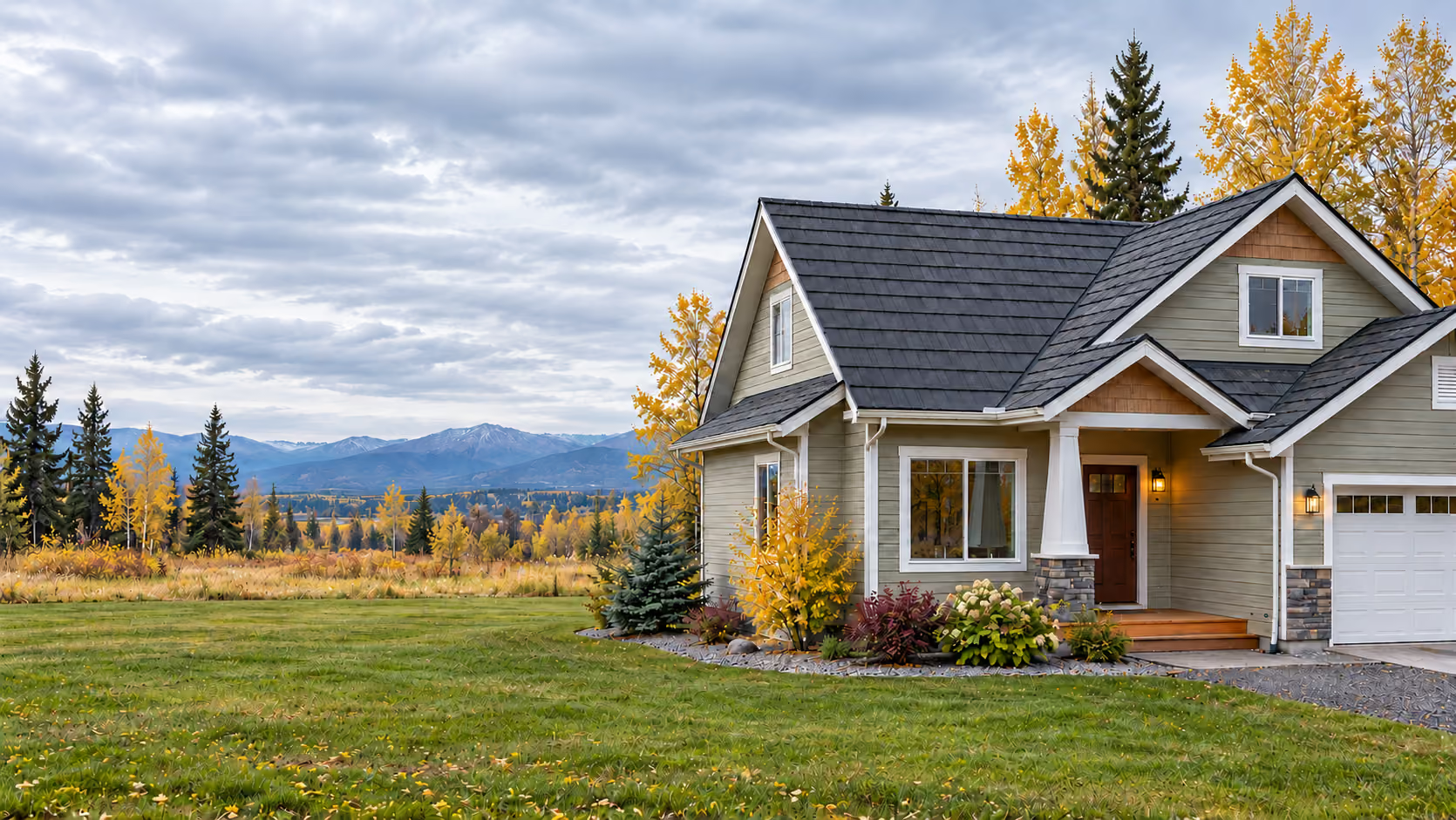
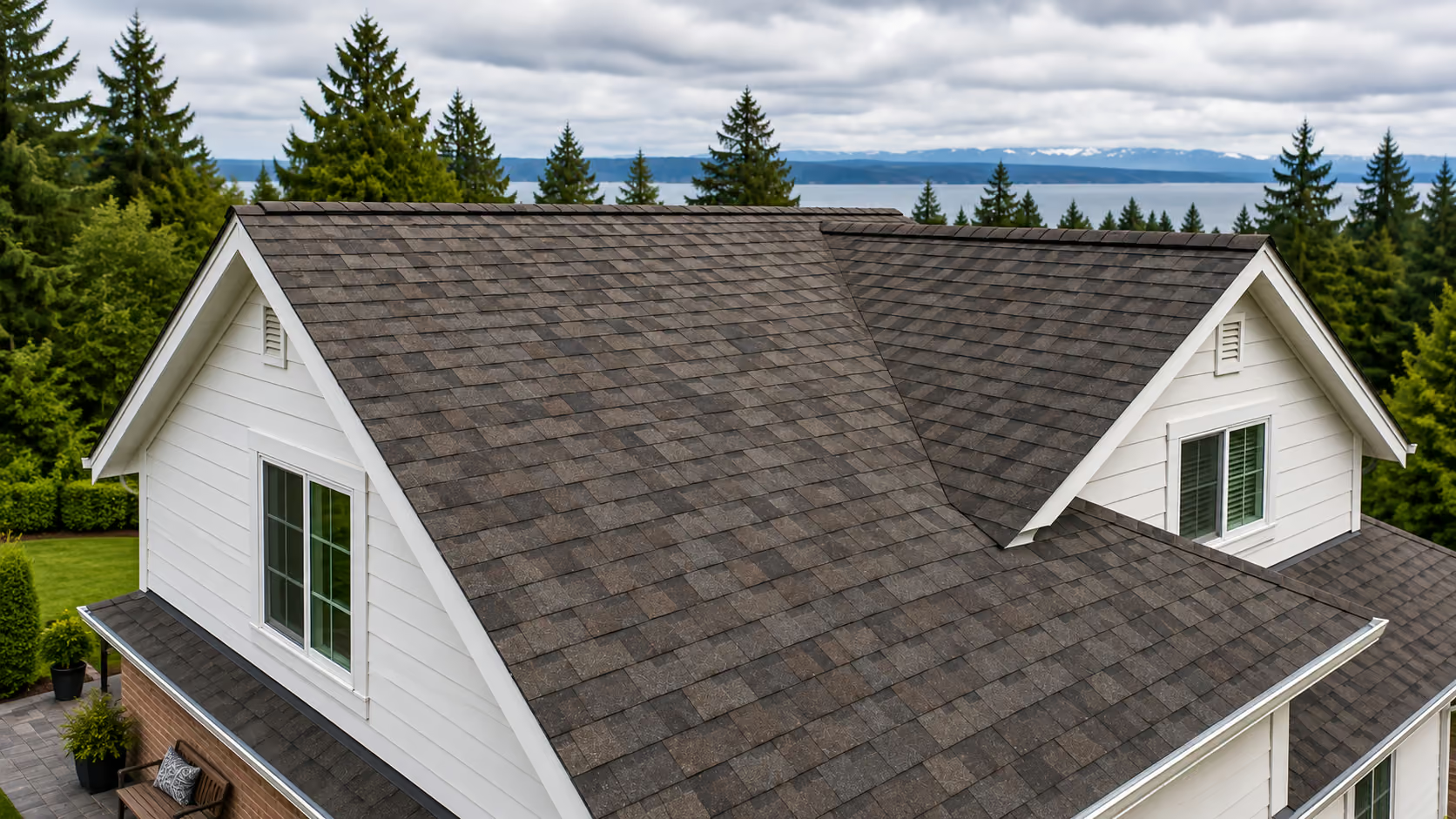
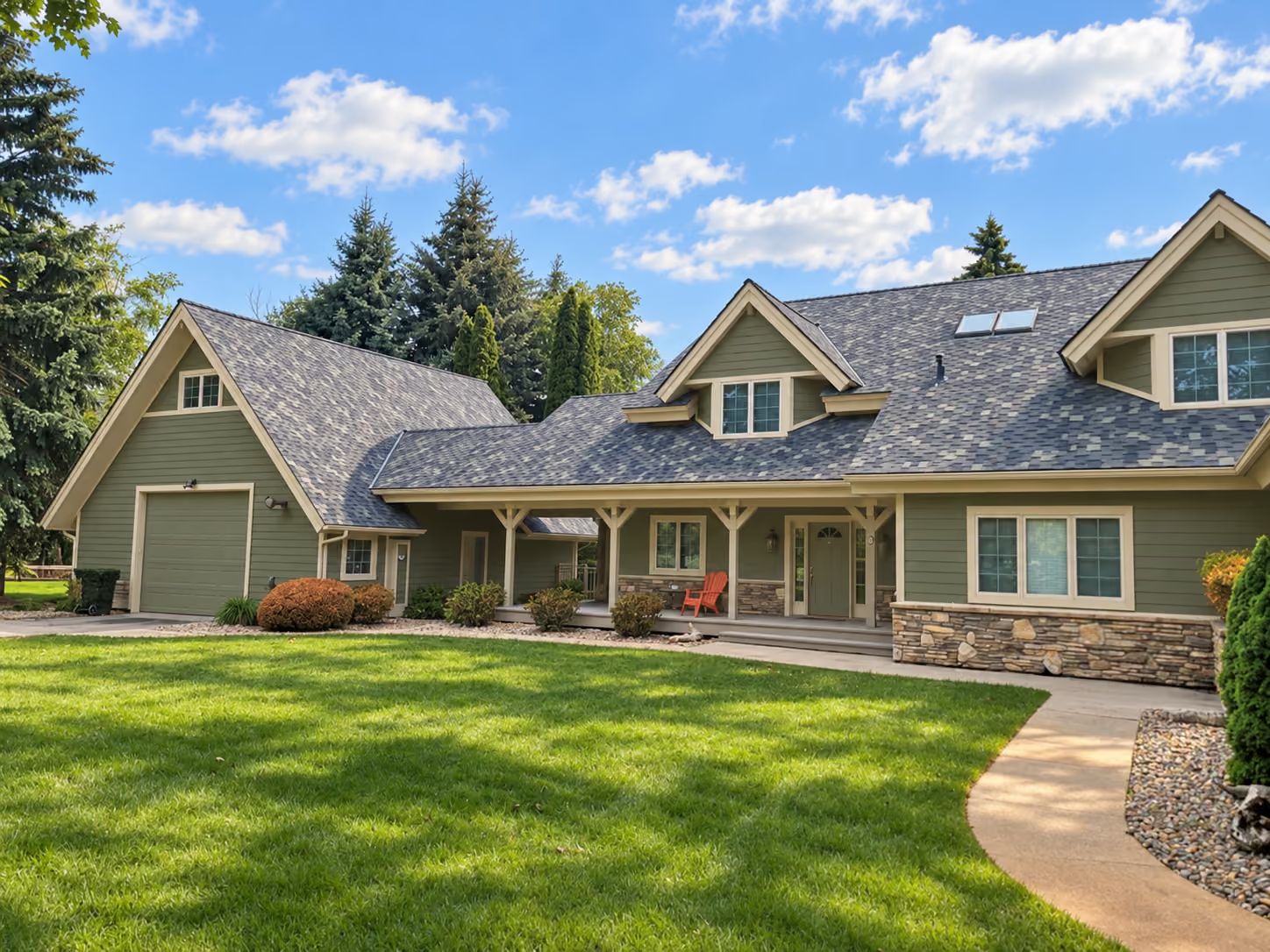
Architectural shingles installed for Alaska wind and snow: membrane at the eaves and valleys, starter strips at every edge, and ventilation sized to the attic. Decking included in the price.
Architectural asphalt shingles are the most common roof on Anchorage and Valley homes, and often the right one. They cost less up front than metal, go on fast, and last fifteen to twenty-five years here depending on the shingle and how the roof was built. A lot of that comes down to parts you don’t see: membrane at the eaves and valleys, starter strips at the edges, the nailing, and attic ventilation.
When asphalt shingles are the right call
We install both asphalt and metal, and shingles win more often than a metal specialist might admit.
- Budget decides it. Asphalt costs less today, and a well-built shingle roof is a good roof.
- A rental or a sale. If you won’t be there in fifteen years, the longer-lived roof mostly benefits the next owner.
- A complex roof. Lots of valleys, dormers, and angles mean lots of cutting and flashing, and that costs more in metal than in shingles.
Metal is the better call if you plan to stay a long time. Metal roofing →
Architectural, 3-tab, composition, composite: what the words mean
Roof quotes use a lot of names for a few products.
- Asphalt and composition. Two names for the same shingle.
- Architectural, dimensional, and laminated. Three names for the thicker, layered grade, with more depth on the roof. It’s what we install.
- 3-tab. The flat, thinner grade, cut into three tabs per strip. It’s usually due for replacement sooner.
- Composite. Usually means synthetic shingles made of plastic or rubber, a different product. When a quote says composite, ask exactly what’s going on the roof.
What makes a shingle roof last in Alaska
- Ice and water membrane at the eaves and valleys. Code wants it from the eave edge to at least 24 inches inside the exterior wall line, and Anchorage wants 36. It’s the backstop when an ice dam pushes water up under the shingles.
- Starter strips at the eaves and rakes. Wind gets under a roof at the edges first. Starter strips lock those edges down against a Chugach wind on the Hillside or the Matanuska wind around Palmer.
- Warmth to seal. Shingle sealant strips need warmth and sun to bond. A cold-weather install needs hand-sealing per the manufacturer, which is one reason replacements here run roughly May through October.
- The nailing pattern. Ask any roofer, us included, whether they’ll use the high-wind nailing pattern on your roof. It’s a fair question and it should get a straight answer.
- Ventilation. Ridge and intake vents sized to the attic keep the deck cold and dry, which means fewer ice dams and less attic frost. Attic ventilation →
Shingles looking tired?
Text a photo and we’ll tell you what we see.
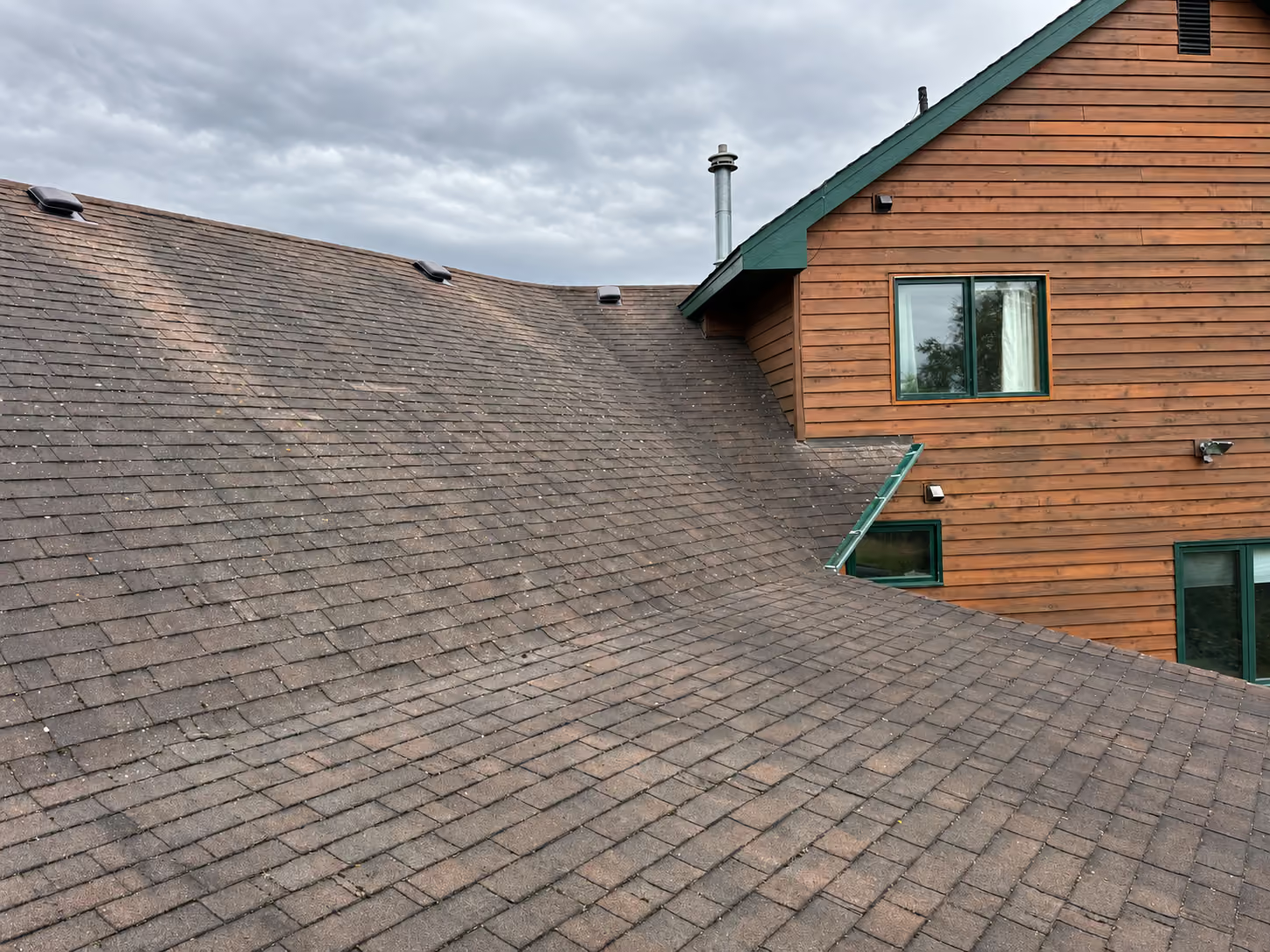
How do you know a shingle roof is done?
- Granules piling up in the gutters and at the downspouts
- Shingle edges curling up, or the middles cupping
- Cracks running across the shingles
- Tabs lifted or creased after a wind. A shingle that folded back has lost its seal and can tear off or leak later, even if it lies flat again.
- Ice dam leaks at the same eaves every spring
One leak with a clear cause is usually a roof repair, not a new roof. And if ice dams come back every winter, new shingles alone won’t stop them. The fix is at the eaves and in the attic. Ice dam prevention →
Tear-off or new shingles over the old layer
Tear-off
Old shingles, underlayment, and nails come off down to the decking. It’s the only option when there are already two layers, and the right one when the roof is failing or the eaves need new membrane to deal with ice dams.
Roof-over
New shingles go over one existing layer that lies flat, once the decking checks out from the attic. Less labor and less landfill. Code allows only one roof-over, so the next roof after it will be a tear-off.
Either way, decking is included in the price. Rotten or delaminated sheets get replaced and photographed. The full process is on the roof replacement page.
We install shingle roofs in Wasilla, Palmer, Eagle River, and Anchorage, from Sand Lake to Muldoon, and out to Big Lake and Girdwood.
What a shingle roof costs
It depends on the roof’s size and pitch, how many valleys, dormers, and penetrations it has, whether it’s a tear-off or a roof-over, and what the attic needs for ventilation. Decking is already in the price. We don’t guess over the phone. After the inspection you get a written price, line by line, so you can see where the money goes. Cost guide →
Every job starts with a free inspection.
Photo report and a written price within 24 hours, and no pressure after it.
Asphalt shingle questions
The questions we get most often about shingle roofs in Anchorage and the Valley. Don’t see yours? Text us and a roofer answers.
Text my rooferFifteen to twenty-five years, depending on the shingle and how it was installed. What shortens a roof here: ice dams at the eaves, wind that breaks the seal on the shingles, weak attic ventilation, and a cold-weather install that skipped the hand-sealing. A roof built with those in mind gets the most years out of the shingle.
Architectural shingles, also called dimensional or laminated, are the thicker, layered grade, with more depth on the roof. 3-tab shingles are the flat, thinner grade. A 3-tab roof is usually due for replacement around fifteen years, an architectural roof closer to twenty to twenty-five, depending on the shingle. Architectural is what we install.
No. Composition is another name for asphalt shingles. Composite usually means synthetic shingles made of plastic or rubber, which is a different product. The two words are easy to mix up, so if a bid says composite, ask exactly what’s going on the roof before you compare it with another quote.
Full replacements run roughly May through October. Shingle sealant strips need warmth and sun to bond, and a cold install needs hand-sealing per the manufacturer. Repairs happen year-round, and a winter repair is sometimes a proper temporary fix with the permanent version in the first warm stretch. If your roof can wait for spring, we’ll tell you.
Over one sound layer, often yes, if the decking checks out from the attic. Code allows only one roof-over, so if there are already two layers, or the old roof is failing, it’s a tear-off. A tear-off also lets us put ice and water membrane at the eaves, which matters on a roof with an ice dam history.
Not by itself. Ice dams form when heat escaping into the attic melts snow on the upper roof and the water refreezes at the cold eaves. The fix is ventilation, air sealing and insulation, and ice and water membrane at the eaves. We add the membrane and size the ventilation at replacement, and show you where the attic is leaking heat.
Let’s see what your shingles have left
Text a photo or book an inspection. You get a photo report and a written price within 24 hours, and no pressure after it.